

Disorders
- Anorexia Nervosa
- Binge Eating Disorder
- Bitot's Spots
- Bulimia Nervosa
- Macrocytic Anemia
- Megaloblastic Anemia
- Night Blindness
- Peptic Ulcer
- Prophylaxis
- Rhodopsin
- Rickets Disease
- Scurvy Disease
- Wilson’s Disease
- Xerophthalmia
- Hemochromatosis
- Siderosis
- Thalassemia
- Sideroblastic Anemia
- Porphyria Cutanea Tarda
- Sickle Cell Anemia
- Kwashiorkor
- Menkes Disease
- Neutropenia
- Keratomalacia
- Beriberi
- Pellagra
- Macrocytic
- Megaloblastic
- Pernicious Anemia
- Scurvy
- Rickets
- Osteomalacia
- Abetalipoproteinemia
- Muscular Dystrophy
- Haemolytic Anaemia
- Cholestatic Constipation
- Pretibial Myxedema
- Cretinism Diesease
- Hypothyroidism
- Hypothyroidism
- Feline Hyperthyroidism
- Graves Disease
- Plummer’s Disease
- Thyrotoxicosis
- Acrodermatitis Enteropathica
- Congenital Hypothyroidism
- Hashimoto’s Thyroiditis
- Hyperthyroidism
- Keshan Disease
- Lose Weight with Hypothyroidism
- Metal Fume Fever
- Postpartum Thyroiditis
- Thyroid Storm
- Subclinical Hypothyroidism
Acrodermatitis Chronica Enteropathica
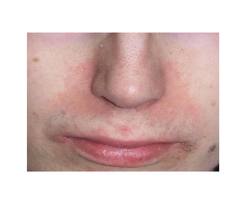
When the body does not properly function it can lead to a wide variety of medical problems and issues. It is best to identify these symptoms and seek out medical attention.
Acrodermatitis Enteropathica is also referred to as Brandt Syndrome, Danbolt-Cross Syndrome or Zinc Deficiency. It is a rare autosomal genetic disorder that results in the body’s inability to absorb zinc from the diet. It appears as an inflammatory rash around the mouth and/or anus. Zinc is a key component of everyone’s diet. Zinc is needed to assist the metalloenzymes that are involved in many cellular processes in the body.
Who can get it?
Acrodermatitis Enteropathica appears in infants within the first few months after birth or after the end of breastfeeding. It affects all races equally, and shows no sexual preference. It also can appear in adults, but that is in rare cases. If an adult develops this it is usually due to an necrolytic migratory erythema, inadequate zinc in the diet, intestinal bowel disease or intestinal bypass surgery, urinary loss of zinc and low level of albulin and high catabolic states arising out of a trauma or extensive surgery.
What causes it?
The exact cause is not really known. However, Acrodermatitis Enteropathica can be due to the malabsorption of zinc through the intestinal cells. It is related to the mutations in the gene that codes the zinc transporter protein, ZIP4. It is regarded that the missing protein is responsible for decreased zinc uptake and abnormal zinc metabolism. If you have congenital acrodermatitis enteropathica you must inherit two defective genes; one gene from each of your parents. If a child receives one normal gene and one defective gene from their parents, they will be a carrier of the disease, not will not necessarily show any of the symptoms of it.
How does it happen?
Acrodermatitis Enteropathica happens in two forms: inborn form and an acquired form.
Where does it appear?
Acrodermatitis Enteropathica is characterized by an inflamed rash around the mouth and/or anus.
What are the symptoms?
Symptoms of this illness usually occur in bottle-fed infants within a couple of days or weeks after birth, an in breast feed infants soon after being weaned. The symptoms associated with Acrodermatitis Enteropathica include red and inflamed patches of dry and scaly skin around the body openings. The patches can also become blistered, and pus-filled. The skin around the nails becomes inflamed and there may be nail ridging. The fingers may also appear to be swollen. You could also experience hair loss. The hair loss could occur on the scalp or eyebrow and eyelashes. The tongue may appear red and glossy, and the child could also develop mouth ulcers. In some cases, the baby may experience conjunctivitis, diarrhea, loss of appetite, sensitivity to light and irritability. The child may also appear to be withdrawn, and listless.
How can it be diagnosed?
A doctor can diagnosis Acrodermatitis Enteropathica by first checking the baby’s serum/plasma zinc levels to confirm the diagnosis urine levels can also be checked for zinc levels.
What treatments are available?
The inherited form of Acrodermatitis Enteropathica is usually fatal if treatment is not received. The child is usually given 1 mg. of oral zinc supplements per day for life. Supplementing zinc will help to send hereditary acrodermatitis enteropathica into remission. After zinc is given the skin disorders will begin to heal, diarrhea will end and other symptoms will cease after twenty-four hours. Secondary infections will require antibiotics to clear up. Changes in a diet can also help, adding oysters, beef, liver, pecans and nuts which are all high in zinc can also be beneficial. Zinc is non-toxic, but high doses over a period of time can in some cases result in gastrointestinal symptoms, such as dizziness and a copper deficiency. This is why it is important for the child to be monitored.
Acrodermatitis Enteropathica is an illness that can be treated and prevented as long as it is caught early. The key is to identify the symptoms and get immediate medical attention. Individual who have acrodermatitis enteropathica will have to be monitored by a doctor to ensure that their zinc supplementation is adequate and that it is not causing any other disorders.
Leave your comments
Health News
Recommended Stuff
- If you are confused about vitamins, this is the place to go. They will give you a free personalized vitamin profile plus 50% OFF on your first order. HIGHLY RECOMMENDED!
