

Amino Acids
Cysteine and Cystine Functions
Cystine is a sulphur-containing, non-essential amino acid. It is a stable form of the sulphur-rich amino acid cysteine. The body is capable of converting one to the other as required. They can be thought of as the same in metabolic terms.
The metabolic steps of the formation of these two amino acids are from methionine cystathionine cysteine cystine. In chronic diseases, it appears that the formation of cysteine from methionine is prevented. It is therefore essential to restore adequate levels of cysteine or cystine in such cases.
Cysteine and Cystine Benefits - Functions in the Body
Cystine provides resistance to the body against harmful effects by building up white blood-cell activity. It is essential for the proper functioning of the skin and helps in recovery from surgery. It promotes the formation of carotene which helps hair growth. The flexibility of the skin, as well as the texture, is influenced by cysteine as it has the ability to protect collagen, the connective tissue protein.
You're exposed every day to all sorts of toxins in the air you breathe and the foods you eat. All those toxins end up in your liver, where cysteine and glutathione corral them and escort them out of your body. In fact, cysteine is so good at protecting your liver that it's used in emergency rooms to treat overdoses of acetaminophen (Tylenol®), which can cause serious liver damage.
Cystine has been shown to protect the body against damage caused by alcohol and cigarette smoking. One report states that not only is it effective in preventing the side-effects of drinking, such as a hangover, but it prevents liver and brain damage as well. It also reduces lung damage such as emphysema, resulting from smoking.
Cystine is used in the treatment of skin diseases, for low count of white blood cells, and in sorne. cases, for n.aemia.
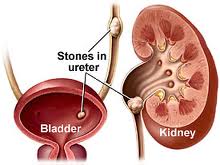
Kidney Stones. Some stones in the kidney are made up of uric acid or the amino acid cystine. To prevent the formation of such stones, large amounts of fruits and vegetables, especially citrus fruits, ar recommended. They help to produce an alkaline urine which prevents crystal formation in these amino acids.
Excessive loss of cystine in the urine is said to be a hereditary disorder. A few cases have been helped by being given large amounts of choline.
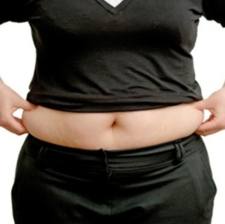
Obesity. Dr H. Ghadimi, Chairman of the Nutrition Committee at Nassau Country Medical Centre in New York, uses cysteine supplements to treat his patients suffering from obesity. He considers that there is a link between obesity and overproduction of insulin, and that cysteine supplements taken along with vitamin C at the end .of a meal, somehow neutralise some of the excess insulin which is responsible for fat production. He regards this amino acid as anti-cancer and antiageing, and clai s that like vitamin C, cysteine protects the body from damage by oxidants.
Cystine Sources
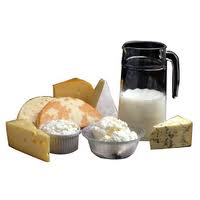
A good way to keep your cysteine level high is to eat foods that contain cysteine or methionine, the essential amino acid your body needs to make cysteine. Good choices are eggs, meat, dairy products, and whole grains. If you want to try supplements, we suggest taking N-acetyl-L-cysteine (NAC), which is made naturally from cysteine. For reasons not fully understood, NAC is absorbed better than cysteine supplements.
Cysteine and Cystine Side Effects - Precautions
Accumulation of free cystine in the body tissues can lead to a rare disease known as cystinosis. This results in the appearance of cystine crystals in the cornea, conjuctiva; bone marrow, lymph nodes, leukocytes, and internal organs.
Persons with diabetic tendencies should not use large supplemental doses of cysteine except under medical supervision, as it is capable of inactivating insulin by reducing certain disulphidebbrids which determine its structure.
In order to avoid the conversion of cysteine to cystine, with possible consequences of the formation of kidney or bladder stones, an intake ofthree times the dose of vitamin C has been suggested to accompany the taking of cysteine supplementally.Leave your comments
Health News
Recommended Stuff
- If you are confused about vitamins, this is the place to go. They will give you a free personalized vitamin profile plus 50% OFF on your first order. HIGHLY RECOMMENDED!
