

Amino Acids
Tryptophan - Sleep-Inducing
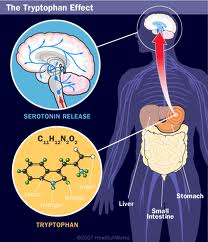
Out of all essential amino acids, the most research has been carried out by nutritional researchers on tryptophan. It is also known as a sleep-inducing amino acid.
| Recommended Daily Allowance - Tryptophan | |
| Men | 3 mg |
| Women | 3 mg |
| Children | 4 mg |
| Infants | 19 mg |
Tryptophan Benefits - Functions in the Body
Tryptophan plays a significant role in the synthesis of one of the B complex group of vitamins called niacin or nicotinic acid. In the human system, an average of about 1 mg of niacin is formed from 60 mg of dietary tryptophan.
This amino acid is also essential for blood clotting and formation of digestive juices. It induces sleep and relaxes the nervous system. It wards off signs of premature ageing, such as cataract of the eyes, baldness, deterioration of sex gland functioning, and malformation of tooth enamel.
Tryptophan is also important as a major precursor of the transmitter amine, serotinin, in the central nervous system.
Tryptophan can be used as a safe and effective food remedy for certain ailments, especially insomnia and emotional complaints. .

Insomnia. Tryptophan is a precursor of serotinin which is regarded as an effective sleep-inducing agent. Researches have been carried out by Dr E. Hartmann of Boston State Hospital on the therapeutic effectiveness of tryptophan in insomnia. He has reported: 'In our studies we found that a dose of one gram of tryptophan would cut down the time it takes to fall asleep from twenty to ten minutes. Its great advantage is that not only do you get to sleep sooner, but you do so without distortions in sleep patterns that are produced by most sleeping pills.' It has been found that tryptophan is an effective hypnotic when administered at any time of the day, and that it significantly reduces the time of onset of sleep without affecting the various stages of sleep.

Aches and Pains. Tryptophan is regarded as a natural painkiller. A study at the Department of Neurology at the University of Tampere in Finland, indicates that this amino acid has potential as a pain-reducing agent.

Emotional Complaints. Research has shown that there is an inverse relationship between tryptophan consumption and emotional. complaints. Increasing the tryptophan intake decreases the number and severity of such complaints. Studies carried out on a group of 66 individuals who were given tryptophan supplementation for several months indicated that those who had increased their intake from 1001 mg per day to an average of 1331 mg per day, showed a remarkable decrease in the number of psychological complaints, whereas those who had not altered their tryptophan intake showed no change.
Tryptophan is best taken between meals with a lowprotein food such as fruit juice or bread. One to three grams a day seems to be the range favoured by most researchers.
<
Recent research by Dr G. Chowinard of Mc Gill University, Montreal, indicates that the functional usefulness of tryptophan is enhanced by the concurrent supplementation of nicotinic acid. The ratio suggested is two parts of tryptophan to one part of nicotinic acid.

Tryptophan Deficiency Symptoms
The failure of absorption of tryptophan in cases of intestinal disorders can cause increased sensitivity to light, leading to excessive scaling of the skin on exposure to the sun. A deficiency of tryptophan and niacin causes pellagra, a deficiency disease characterised by three Ds: dermatitis, diarrhoea, dementia.
Tryptophan Food Sources - Food high in Tryptophan
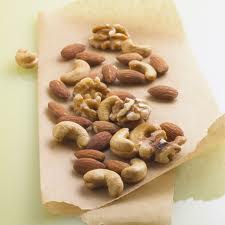
Generally all seeds, nuts, and most vegetables contain tryptophan. The best sources of this amino acid, however, are bajra, barley, finger millet, colocasia, sweet potatoes, cashew nuts, mangoes, papayas, and milk.
Tryptophan Side Effects - Precautions
The use of supplementary tryptophan should be avoided during pregnancy.
Leave your comments
Health News
Recommended Stuff
- If you are confused about vitamins, this is the place to go. They will give you a free personalized vitamin profile plus 50% OFF on your first order. HIGHLY RECOMMENDED!
