

Health & Nutrition
- iForce Nutrition HEMAVOL
- Birth Control Pills
- Diet Pills
- Fast Weight Loss
- Healthy Weight Loss
- Natural Antibiotics
- Natural Antidepressants
- Nutrition and Aging
- Increase Stamina
- Balanced Diet Tips
- Boost Immune System
- Easy Weight Loss
- Fighting Cocaine
- Food and Vitamins
- Digestive System
- Sports Nutrition
- Special Women Needs
- Special Men Needs
- Vitamins for Children
- Weight Loss Programs
- Raw Glandular Therapy
- Fast Food Nutrition
- Weight Loss
- Weight Loss Drug
- Naturally Lose Weight
- Weight Lose Patch
- Weight Loss Surgery
- Teen Nutrition Trends
Human Digestive System
Knowing how your digestive system works will clear up, right at the start, some of the more common confusions about how, when, and where nutrients operate.
Mouth and Esophagus
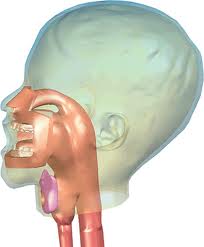
Digestion begins in the mouth with the grinding of food a mixture of saliva. The saliva breaks down the chemicals in the food a bit, which helps make the food mushy and easy to swallow. The tounge pushes the food to the back of the mouth and into the esophagus, or gullet.
The esophagus is like a stretchy pipe that's about 10 inches (25 centimeters) long. It moves food from the back of your throat to your stomach. Here peristalsis (constriction and relaxation of muscles) begins that propels material through the digestive system.
(A special flap called the epiglottis covers the opening of your windpipe to make sure the food enters the esophagus and not the windpipe.)
Stomach
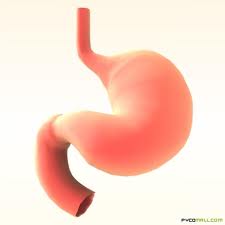
The stomach is attached to the end of the esophagus. It is the biggest bulge in the digestive tract. It has the following functions:
- to store the food you've eaten.
- to break down the food into a liquidy mixture.
- to slowly empty that liquidy mixture into the small intestine.
The strong muscles in the walls of the stomach and the gastric juices that also come from the stomach's walls helps in breaking the food into smaller and smaller pieces. Pepsin, the predominant stomach enzyme is a potent digester of meats and other proteins.
Some points to note:
- Virtually nothing is absorbed through the stomach walls except alcohol.
- An ordinary meal leaves the stomach in three to five hours.
- Watery substances leave the stomach quite rapidly while the fats remain considerably longer.
Most of the process of digestion occurs beyond the stomach.
Small Intestine
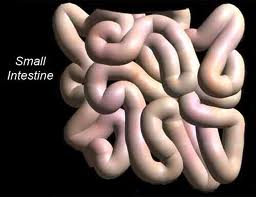
It is a long tube, twenty-two feet long (see the above pic), where digestion is completed and virtually all absorption of nutrients (vitamins, minerals, proteins, carbohydrates and fats) occurs. It has an alkaline environment which is necessary for the most important work of digestion and absorption.
The food may spend as long as 4 hours in the small intestine and will become a very thin, watery mixture. The nutrients from the food pass from the intestine into the blood.
The nutrient-rich blood comes directly to the liver for processing.
Liver - the main storage organ for fat-soluble vitamins
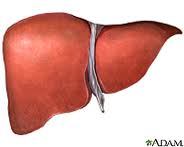
The liver is the largest solid orgain of the body and weighs about four pounds. It acts as a blood reservoir and a storage organ for vitamins such as A and D and for digested carbohydrate (glycogen), which is released to sustain blood sugar levels. It manufactures enzymes, cholesterol, proteins, vitamin A (from carotene), and blood coagulation factors.
One of the prime functions of the liver is to produce bile. Bile contains salts that promote efficient digestion of fats.
The liver filters out harmful substances or wastes, turning some of the waste into more bile. The liver even helps figure out how many nutrients will go to the rest of the body, and how many will stay behind in storage.
Gallbladder
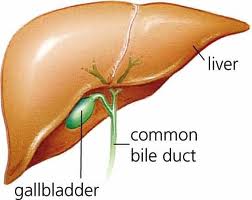
It is a saclike storage organ about three inches long. It holds bile, modifies it chemically, and concentrates it ten-fold. Even the sight of food may empty the gallbladder. Constituents of gallbladder fluids sometimes crystallize and form gallstones.
Pancreas
This gland is about six inches long and provides the body's most important enzymes. It secretes:
- Insulin, which accelerates the burning of sugar in the body.
- Pancreatic juice, which contains some of the body's most important digestive enzymes - lipases, which split fats; proteases, which split proteins; and amylases, which split starches.
Large Intestine
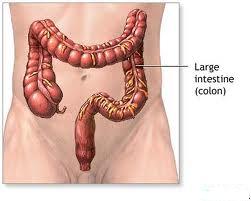
The large intestine is almost the last stop on the digestive tract. The leftover waste - remnants of the food that your body can't use - goes on to the large intestine. The body gets its last chance to absorb the water and some minerals into the blood. The waste gets harder and harder as it keeps moving along, until it becomes a solid. Then it is pushed into the rectum. The solid waste stays here until you are ready to go to the bathroom.
Leave your comments
Health News
Recommended Stuff
- If you are confused about vitamins, this is the place to go. They will give you a free personalized vitamin profile plus 50% OFF on your first order. HIGHLY RECOMMENDED!
