

Minerals
Iron - Purifies the Blood - Information on Deficiency, Benefits, Food Sources
The haemoglobin content of the red blood cells is made up of certain proteins and iron. In a normal healthy adult there is about 15 g of haemoglobin per 100 ml of blood. Each gram of haemoglobin contains about 3.5 mg of iron.
The normal body of an adult contains about 4 to 5 g of iron. About 60 to 70 per cent of this iron is present in the haemoglobin. Iron stores in the liver, spleen, and bone marrow account for the next largest concentration of iron - that is, about 30 to 35 per cent. Small amounts of iron are found in the muscles as myoglobin, as also in the blood serum and in every cell as a constituent of certain enzymes. Iron is present in the body in combination with other body constituents.
All healthy persons absorb about 2 to 10 per cent of iron from food, depending on its nature. But in persons who are deficient in iron, the amount absorbed increases upto 50 per cent from ingested foods.
The main sites of absorption are the stomach and the upper part of the small intestine. Absorption of iron is enhanced when there is a deficiency of iron in the body or there is a need for increased blood formation.
Iron is stored in the liver, spleen, and intestinal mucosa. The stores of iron as well as the iron released from the disintegration of red blood cells is available to the body for the synthesis of haemoglobin. Hence the iron in our bodies is used very efficiently, and is not normally used up or destroyed but converted and utilised again and again.
Iron is excreted along with the bile, stools, scaling of the skin, and sweating. It is, therefore, advisable to take an extra quantity of iron-rich foods. during summer to compensate the iron loss.
| Recommended Daily Allowance - Iron | |
| Men | 10-12 mg |
| Women | 15 mg |
| Children | 10 mg |
| Pregnant Women | 30 mg |
Iron Benefits - Functions in the Body

Iron is essential for life. It is necessary for the production of haemoglobin. Haemoglobin is composed of four iron-containing heme groups. The heme is responsible for the characteristic colour and the oxygencarrying capacity of the blood. Iron thus enables the blood to carry oxygen throughout the body and is of great value in helping to remove carbon dioxide from the tissues.
Myoglobin (an oxygen-carrying protein containing iron) in the muscle tissue is related to blood haemoglobin in both structure and function. It supplies oxygen to the muscles and removes carbon dioxide. Iron increases resistance to stress and disease. It aids growth and prevents fatigue.
Eating foods rich in iron regularly and keeping the gastro-intestinal tract healthy is one of the safest and more potent methods of preventing iron deficiency.
Different types of anaemias may be due to different causes. However only iron-deficiency anaemia responds to the supplementary intake of iron.
Iron Rich Food Sources
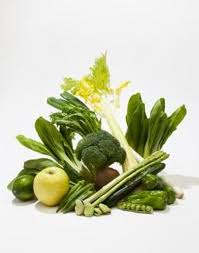
The best food sources of iron are wholegrain cereals, pulses and legumes, and fish. The best plant sources are green leafy vegetables such as dry lotus stems, cauliflower greens, and turnip greens; fruits such as black currants, water melons, raisins, and dried dates.
Enzymes and hydrochloric acid in the stomach are needed for proper assimila ion of iron. Older people are often anaemic in spite of plenty of iron in their diet because they lack sufficient hydrochloric acid in their stomachs. For these reasones, iron-containing fruits which possess their own enzymes and acids needed for iron digestion and assimilation, are the most reliable sources of dietary iron.
See, information on iron supplements.
Iron Deficiency Symptoms

Iron deficiency is generally caused by severe blood loss mallnutrition, infections, and by excessive use of drugs and chemicals. Severe blood loss can occur due to a major injury to blood vessels, or rupture of aneurysms, perforation of internal organs, incomplete abortion, and severe menstrual bleeding. Repeated pregnancies, prolonged breast feeding, and excessive sweating during summer also reduce the iron content in the blood. The volume of fluid in the body is also reduced.
Deficiency of iron in the diet may cause nutritional anaemia, lowered resistance to disease, a general run town condition, pale complexion, shortness of breath on manual exertion, and loss of interest in sex. The patient may suffer from mental depression and irritability.
When there is severe blood loss, the body becomes lie and cold with profuse sweating. The patient lecomes extremely exhausted and finds great difficulty in breathing. The mind becomes dull and the patient may become unconscious. If blood transfusion or some other method is not adopted immediately to prevent further blood loss and shock, the patient may die soon.
Iron Side Effects - Precautions
Iron stored in the body in excess quantities is harmful.
Leave your comments
Health News
Recommended Stuff
- If you are confused about vitamins, this is the place to go. They will give you a free personalized vitamin profile plus 50% OFF on your first order. HIGHLY RECOMMENDED!
