

Disorders
- Anorexia Nervosa
- Binge Eating Disorder
- Bitot's Spots
- Bulimia Nervosa
- Macrocytic Anemia
- Megaloblastic Anemia
- Night Blindness
- Peptic Ulcer
- Prophylaxis
- Rhodopsin
- Rickets Disease
- Scurvy Disease
- Wilson’s Disease
- Xerophthalmia
- Hemochromatosis
- Siderosis
- Thalassemia
- Sideroblastic Anemia
- Porphyria Cutanea Tarda
- Sickle Cell Anemia
- Kwashiorkor
- Menkes Disease
- Neutropenia
- Keratomalacia
- Beriberi
- Pellagra
- Macrocytic
- Megaloblastic
- Pernicious Anemia
- Scurvy
- Rickets
- Osteomalacia
- Abetalipoproteinemia
- Muscular Dystrophy
- Haemolytic Anaemia
- Cholestatic Constipation
- Pretibial Myxedema
- Cretinism Diesease
- Hypothyroidism
- Hypothyroidism
- Feline Hyperthyroidism
- Graves Disease
- Plummer’s Disease
- Thyrotoxicosis
- Acrodermatitis Enteropathica
- Congenital Hypothyroidism
- Hashimoto’s Thyroiditis
- Hyperthyroidism
- Keshan Disease
- Lose Weight with Hypothyroidism
- Metal Fume Fever
- Postpartum Thyroiditis
- Thyroid Storm
- Subclinical Hypothyroidism
Xerophthalmia: Dry Eyes
Xerophthalmia is a term that comes from the Greek and means literally "Dry Eyes". This is a progressive medical condition in which the eye does not produce tears, presenting extreme dryness and thickening of the conjunctiva due to decreased function of the tear or increased evaporation of tears. The cornea may be thickened and visual acuity may be decreased.
This condition appears often as a result from disease localized in the eye, from a systemic deficiency of vitamin A, trauma, or any condition in which the eyelids do not close completely. Xerophthalmia receives also other names such as Xeroma, Dry Eye Syndrome, Keratitis Sicca, or Keratoconjunctivitis Sicca.
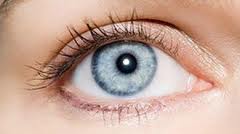
Xerophthalmia usually occurs in people who are otherwise healthy but it is more common with senior individuals because tear production decreases with age. In a few rare cases, it can be associated with rheumatoid arthritis, lupus erythematosis, and other similar diseases common in the elderly too. It may also be caused by accident with thermal or chemical burns.
Symptoms and signs of this condition are dry eye ranging from a mild irritation and foreign body sensation to severe discomfort with sensitivity to light. There is no way or treatment to prevent Xerophthalmia. The diagnoses are made by means of a tear film that can be inspected by the ophthalmologist at the biomicroscope (slit lamp). Also a dye such as fluorescein may be placed in the eye to help make more visible the tear film. Your doctor or health care provider may do a Schirmer's test to measure the rate of tear production with a calibrated paper wick placed on the edge of the patient's eyelid.
The Schirmer's test determines whether or not the eye produces enough tears to keep it moist naturally using paper strips or of filter paper inserted into the eye for several minutes to measure the production of tears, although the exact procedure varies somewhat depending on the physician to select the proper method.
During this test both eyes are tested at the same time, the paper is inserted inside the lower eyelid and the eyes are closed for 5 minutes. After that the paper is then removed and the amount of moisture is measured. In some cases, a topical anesthetic in placed into the eye before the filter paper to prevent tearing due to the irritation from the paper.
The only way to prevent Xerophthalmia is administering Vitamin A to your diet, your doctor or health care professional should determine the dosage. Vitamin A is very important for maintaining good vision and in the prevention of many other eye related diseases. In fact, you will notice the deficiency of Vitamin A in your diet when the first signs of night blindness appear. In addition, this vitamin also contributes to the maintenance of healthy skin and the mucous membranes that line the mouth, nose and sinuses.
If one of the main causes of Xerophthalmia is the poor intake of vitamin A, this disease is also associated with poverty, ignorance, faulty feeding habits and some other conditions among the entire population, but mainly in developing countries and in young children all over the world in particular. Many governments caring for their inhabitants have launched health programs as in example in India.
The national vitamin A prophylaxis program was started in 1970 aimed to prevent blindness in children of endemic States administering orally intakes of vitamin A to all children between 6 months to 6 years of age at 6 monthly intervals. Which is a proven and effective method to control Xerophthalmia in the form of short-term intervention program plus intensive nutrition education to reach the population and control nutritional blindness permanently. The results are slow but long lasting, demonstrating that is possible prevent the illness with simple and methodic procedures.
Leave your comments
Health News
Recommended Stuff
- If you are confused about vitamins, this is the place to go. They will give you a free personalized vitamin profile plus 50% OFF on your first order. HIGHLY RECOMMENDED!
